
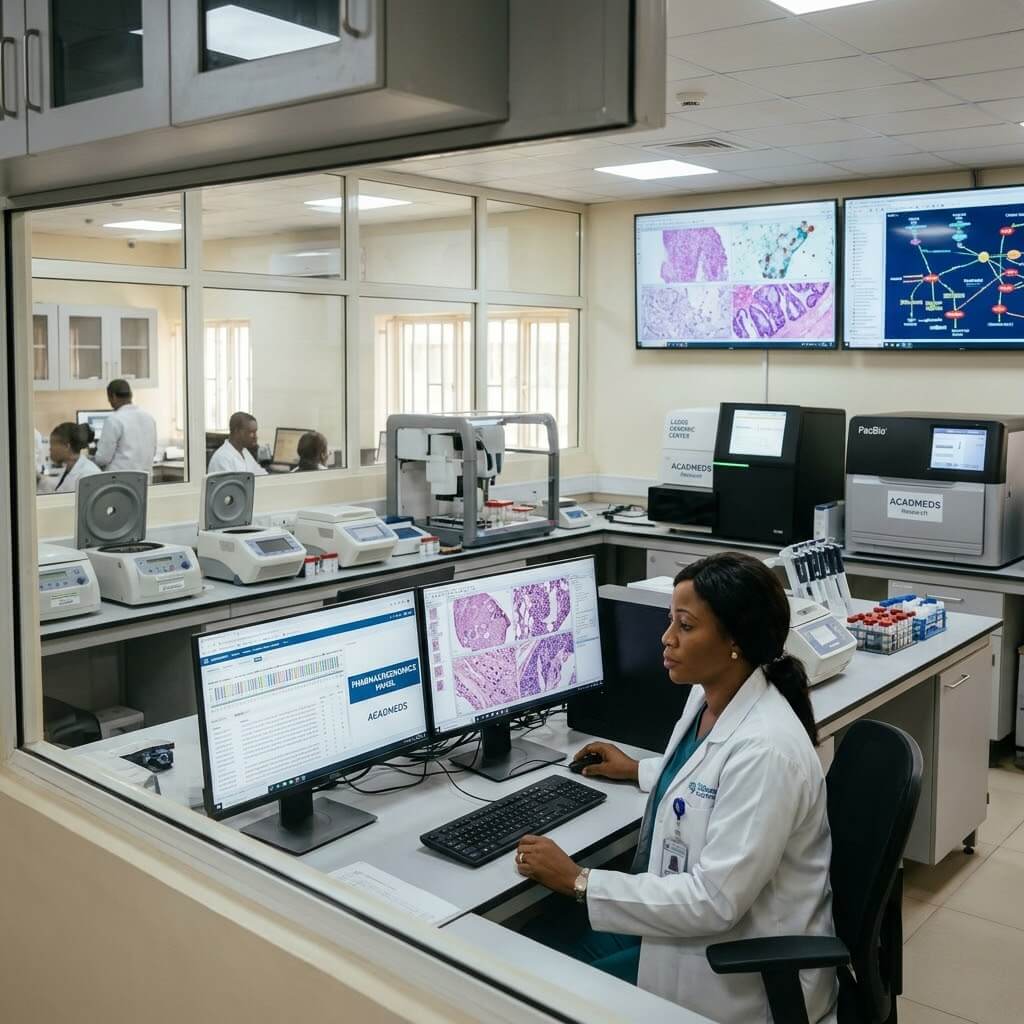
Following its 2026 Annual Scientific Conference in Lagos, ACADMEDS urges policymakers to democratize genomic testing, fund centralized biobanks under Nigeria Genomic City, and establish unified Cardio-Renal-Metabolic clinics nationwide.
On Friday, 30th October 2026, the Academy of Medical Sciences (Nigeria) convened its landmark Annual Scientific Conference at the Lagos Marriott Hotel, Ikeja, Lagos State. The high-level assembly brought together distinguished Fellows of the Academy, leading scientific scholars, clinical specialists, health policymakers, global research leaders, and multidisciplinary healthcare practitioners. Deliberations centered on translating cutting-edge genomic research into actionable health systems reforms to combat the escalating burden of non-communicable diseases (NCDs) across Nigeria and the wider African continent.
A primary outcome of the conference was a resolute call to the Federal Government of Nigeria, through the Federal Ministry of Health and Social Welfare, to establish comprehensive policy frameworks for precision medicine. The Academy urged immediate action to integrate diagnostic genetic testing, accredited genetic counseling services, pharmacogenomics profiling, and targeted biologic therapies into the National Health Insurance Authority (NHIA) benefits package. Delegates emphasized that without structured public subsidy and policy integration, modern genomic medicine will remain an exclusive luxury for the affluent, exacerbating healthcare disparities rather than bridging them.
To secure the technological foundation for precision health, the Assembly advocated for immediate, targeted capital allocations to accelerate the Nigeria Genome Project within the proposed Nigeria Genomic City infrastructure. This strategic initiative aims to establish high-capacity local biobanks, high-throughput genomic sequencing core facilities, robust bioinformatics computing platforms, and national pipelines for precision drug and diagnostic product development. ACADMEDS emphasized that national genomic sovereignty requires sustainable domestic infrastructure capable of generating and processing population-scale omics data within Nigerian borders.